
Tools that fit your business
Custom software that fits exactly how you work.
Custom software development, built around your workflow.
Custom software development for businesses in Bielefeld, Herford and across OWL: not a finished product you bend yourself into, but a tool that fits how you actually work. From the first sketch to running operations, from a single source.
Whether enterprise software for internal processes such as order entry, production and shipping, a small automation, a tailored web application or connecting your systems: I build exactly what you are missing, with code and documentation that are yours in the end.
Custom or off-the-shelf software?
Custom software is individual: it maps exactly what your business needs and is not limited to a fixed purpose. It solves problems that eat time or that have no off-the-shelf solution, and that you lack the internal capacity to build yourself. A small sorting tool, a dashboard, a tailored report or automating an entire production line: if it can be described as a process, it can be built.
I come from automation. I did my apprenticeship at an automation company, building software for batch-size-one manufacturing in the furniture industry. Instead of paper chaos, the entire flow ran through the software: an order came in, went into the system, and from there it was automated end to end.
That mindset, connecting the whole process cleanly, I bring into all software development, whether a small tool or a large application.
Request a projectSoftware follows the process
Exactly your workflow
The software follows your process, not the other way around. Instead of forcing your business into a finished product, I first look at how you actually work and build the tool right around that.
The result is no feature bloat, just what you need: the fields, steps and reports that matter in your day. Nothing that requires training first.
View delivered projects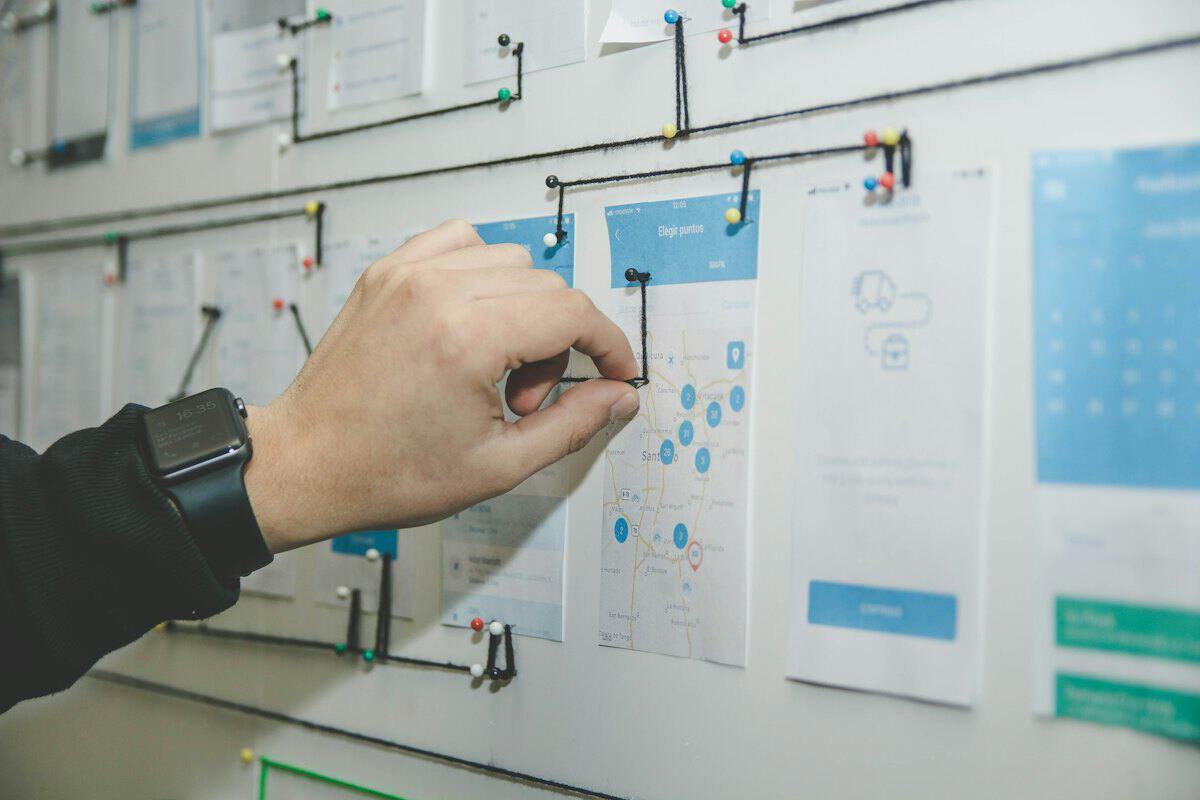
Connect systems, automate manual steps
Interfaces & automation
I connect your systems through interfaces and APIs so data goes where it is needed, instead of being retyped by hand from one program into the next. Whatever repeats can be automated.
During my apprenticeship I built exactly that at scale: in furniture manufacturing an order came in, went into the system, and from then on everything ran automatically. The order was broken into its components, the boards were cut, moved along conveyors with barcodes and scanned.
At each machine the line knew, via an interface, which board to cut how, which groove to mill and which edge to apply, all the way to packaging. I apply the same thinking to your workflow, at the right scale.
More on automation
For clients, partners and platforms
Web applications & client portals
A client portal where your customers view orders, documents or invoices themselves, or a multi-tenant platform where many clients work separately from each other. With clean permission management, so everyone only sees what concerns them.
For Nucez I built my own admin portal: clients, projects, quotes, orders and invoices in one place. And with NexoVirt a multi-tenant panel where clients only see their own servers.
View my own portal
For your website or shop
Configurators & calculators
Your customers plan or configure themselves in the browser and get a result with a price at the end. That saves you consulting time and turns visitors into concrete requests.
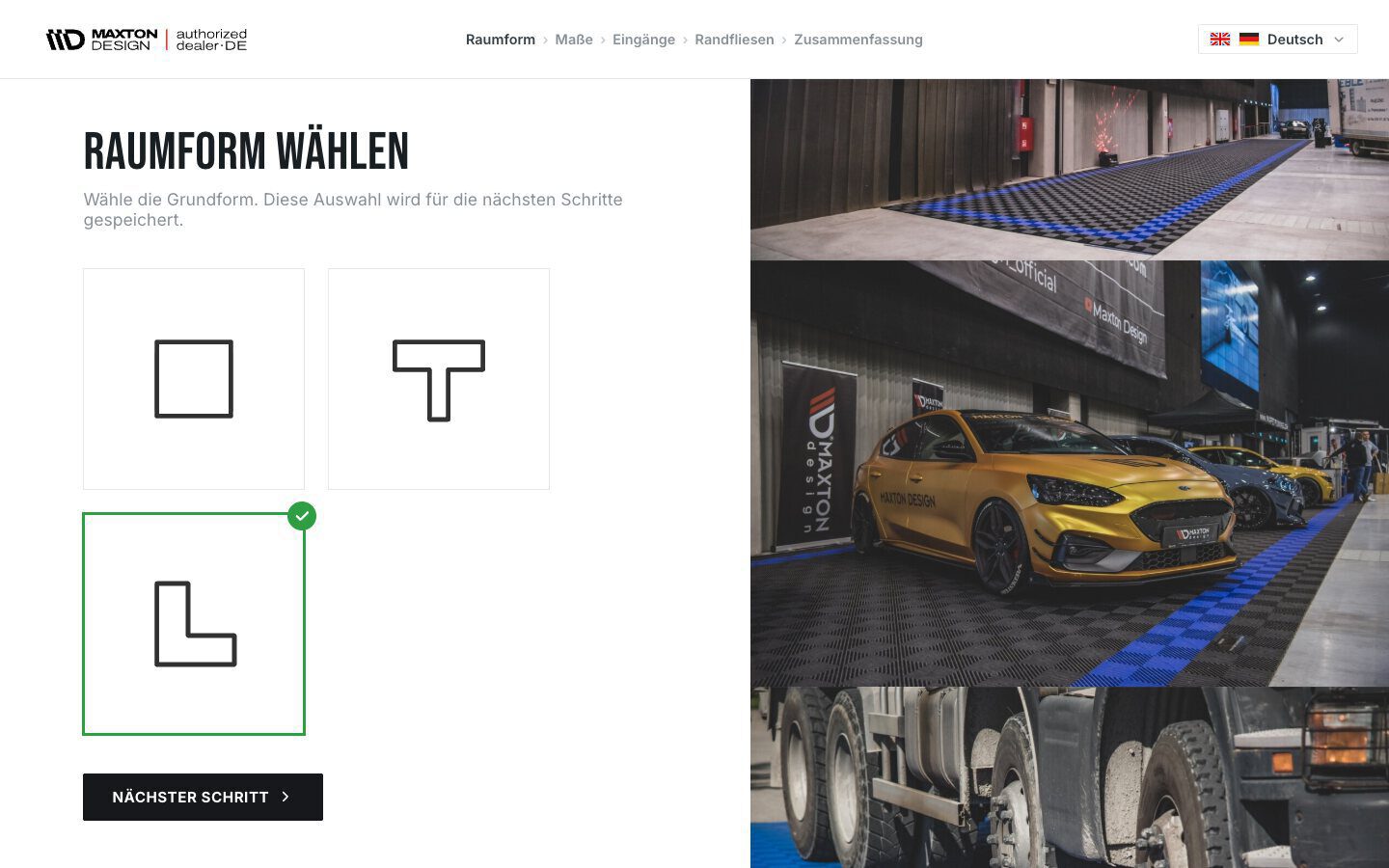
For MAXTON Design I built exactly such an online configurator: step by step from the floor plan to the tile layout to a finished, priced material list, true to scale in the browser.
View MAXTON Floor Planner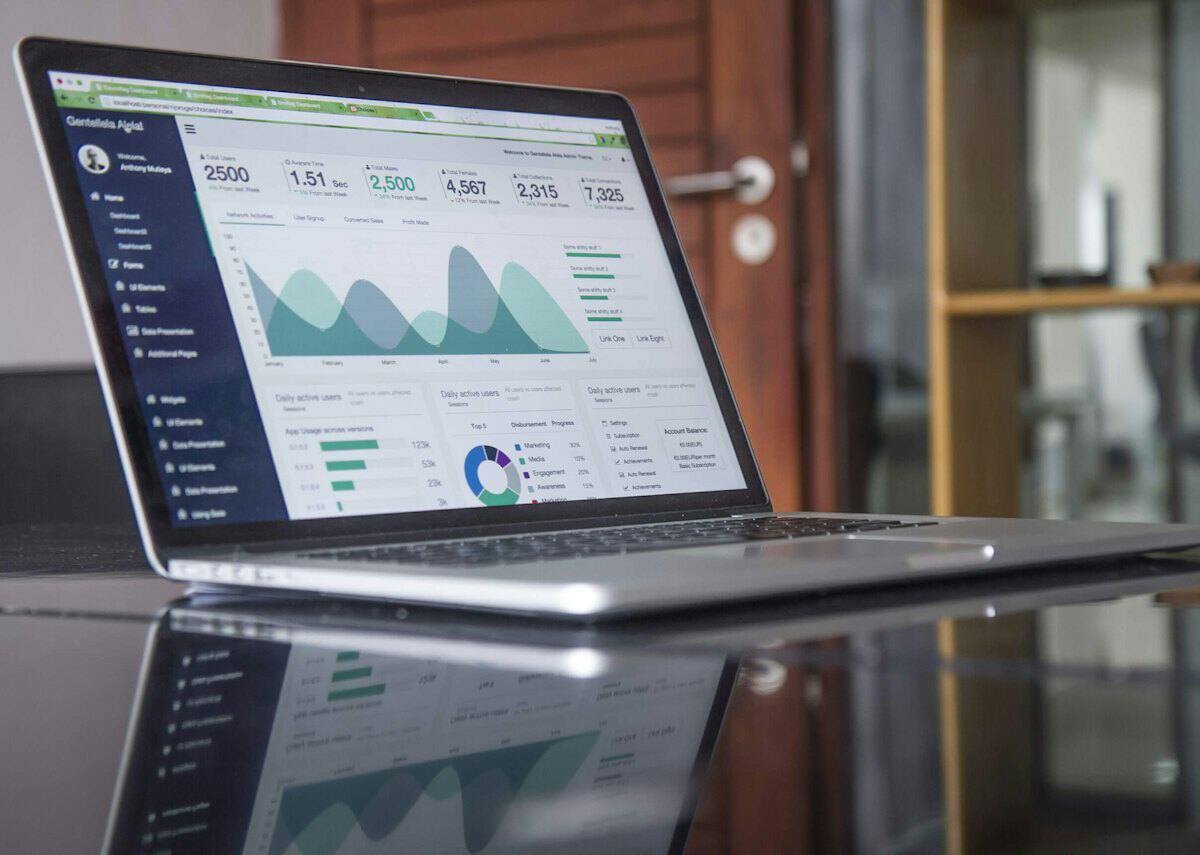
Usable early, low risk
Delivered in stages
Larger projects I split into deliverable stages. So you have something usable early instead of waiting months for one big whole that might not fit in the end.
After each stage you decide whether and how to continue. That keeps the risk small and you stay in control of budget and direction.
More on MVP development
No lock-in
You own the code
Source code, repository and documentation are yours in the end, completely. No hidden licenses, no black box and no vendor you cannot switch away from.
Every project comes with documentation another developer could take over from. You are not tied to me, you work with me because it fits.
How I work
Windows, C#
Desktop software
Not everything belongs in a browser. For production, warehouse or shipping I build Windows desktop software in C# that talks directly to your database, scanners, printers or machines.
I develop production applications like this in my day job too, for desktop, cloud and microcontrollers. The software runs locally and fast, even when the internet hiccups.
Ask about desktop software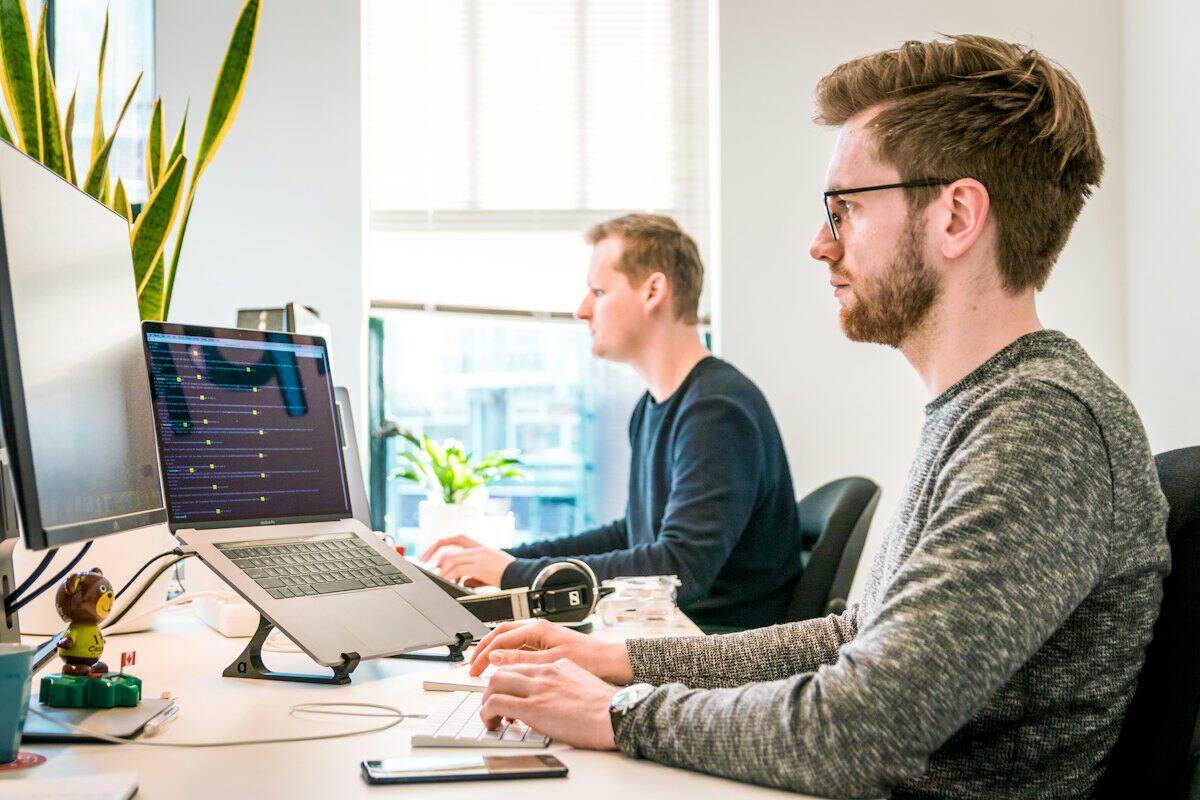
iOS and Android
Mobile app development
When your team or customers work on the go, a mobile app for iOS and Android is the right tool: for orders, field service, time tracking or as a companion to your system.
I build the app together with the backend behind it and help with publishing in the App Store and Google Play. For new ideas I start with a lean first version.
More on MVP development
After go-live
Operations from one source
On request I take over running your application: servers in Germany, monitoring, backups and updates. So the software runs reliably without you having to worry about the tech.
Operations run on fixed response times: critical incident within 4 hours at most, regular request within one business day, reachable around the clock in an emergency. To cover outages I work with a fixed network that can step in.
You have one dedicated contact instead of a call centre. And because the code and docs are yours, you can take over operations yourself at any time.
More on hosting & operation
How your custom software comes together
-
Getting to know each other
We talk about your workflow and your goal: which process is stuck, what it costs today and what should be different in the end.
-
Concept & fixed price
I scope the work and clarify interfaces and data. You get a binding fixed-price quote before development starts.
-
Development in stages
I build in deliverable stages. You see something usable early and give feedback at fixed points, instead of waiting until the end.
-
Test & handover
We test in the real workflow and go through everything together. You get code, repository and documentation, all yours.
-
Operation
On request I take over hosting, monitoring and further development, with fixed response times.
What does custom software cost?
The price depends on scope, so there is no flat rate. After a short conversation you get a rough estimate, after the concept a binding fixed-price quote. Small interfaces start in the low four figures, larger applications well above that.
Larger projects I split into deliverable stages, so you have something usable early and the risk stays small. If you choose ongoing operation, monthly costs are added (hosting, monitoring, updates), which we discuss separately from the one-off build.
Request a projectFrequently asked questions
How much does custom software cost?
It depends on the scope, so there is no flat rate. Small interfaces and automations are usually in the low four-figure range, larger applications well above that. After a short call you get a cost range, after the concept a binding fixed-price quote.
How long does development take?
An interface often takes only a few days, a custom application a few months. I deliver in stages, so you get something usable early instead of waiting until the end.
Who owns the code in the end?
You do, completely. Source code, repository and documentation are handed over. The documentation is written so that another developer could take over.
Can the software connect to my existing systems?
Yes. Via interfaces and APIs I connect ERP systems such as JTL-Wawi, shops, accounting and databases. Desktop applications can also talk directly to scanners, printers or machines.
Web application or desktop software, which fits?
A web application fits when several people need to work from anywhere. Desktop software for Windows in C# fits when it talks directly to devices and must run fast even without a stable internet connection. We decide this together in the concept.
Which businesses benefit from custom software?
Businesses whose processes do not fit standard software, or where data is copied by hand between programs. That applies to small businesses as much as to mid-sized companies. In the first call I tell you honestly whether software development pays off or whether an off-the-shelf product is enough.
Further reading on the blog
From practice

Tell me what is not working for you.
Describe in a few sentences what it is about and what is missing today. The more concrete, the more useful the answer. First response usually the same day.